


Fast Furnace Repair Victoria, BC
In Victoria, furnaces break down when you need heat most. This page covers emergency repairs, common problems, and when to call help. Local HVAC contractors respond same-day for urgent issues. Certified service restores comfort and stops small problems from becoming expensive replacements.
– Technical Safety BC Licence No. – LGA0202649
Common Furnace Problems Victoria Homeowners Face
Homeowners in James Bay and Fairfield often hear strange noises from older heating systems. Some rooms stay cold while others get too hot. Finding the issue early stops total breakdowns during Victoria’s wettest winter months.
Victoria gets 1095 millimeters of rain each year. November brings the most rain with 173 millimeters. This high rainfall and coastal humidity speed up rust on furnace parts. The salt air from the ocean also eats away at metal parts inside your furnace.
Here are the most common problems:
Pilot light goes out from drafts in older Victoria homes. The small flame that starts your furnace keeps blowing out. A healthy pilot light should burn bright blue. If your pilot light turns yellow or orange, this means something is wrong.
Heat exchangers crack from water building up inside. The heat exchanger is the part that warms the air in your home. Cracks in this part are serious and can leak dangerous gas.
Blower motors fail from dust and salty air eating away at metal parts. The blower motor is what pushes warm air through your vents. When it fails, you won’t feel any air coming from your vents.
Thermostats stop working in homes with old wiring. Your thermostat is the control on your wall that sets the temperature. A broken thermostat can’t tell your furnace when to turn on.
Filters get clogged and block airflow in Oak Bay character homes. Blocked filters make your furnace work too hard. They also make your energy bills go up.
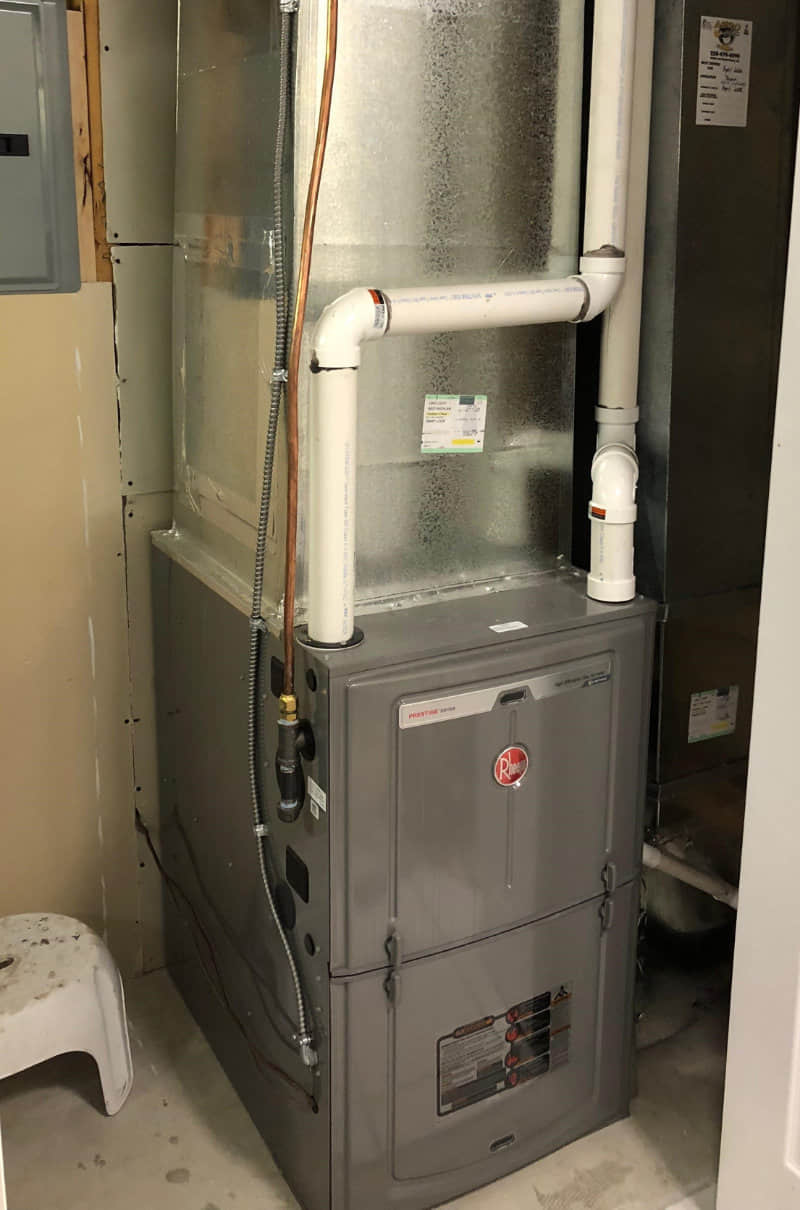
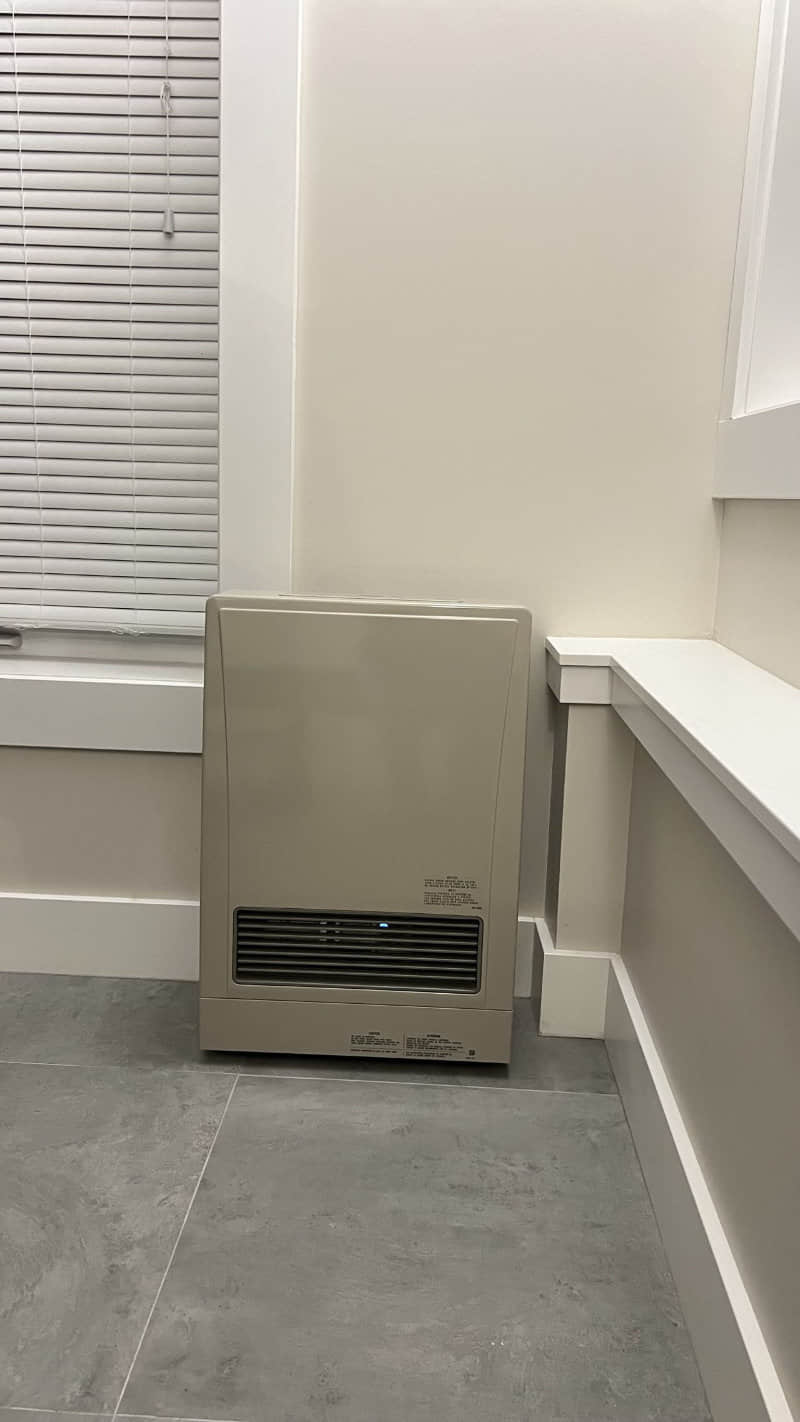
Warning Signs Your Furnace Needs Immediate Service
Residents in Saanich and Esquimalt sometimes notice their furnace acting strange. Knowing danger signs stops carbon monoxide risks and prevents your system from failing overnight.
Damp Victoria basements speed up rust that creates safety problems. The high humidity in basements makes metal parts rust faster.
Call for immediate service if you see these signs:
Yellow or flickering flame instead of a steady blue pilot light. A blue flame means your furnace gets enough oxygen and burns gas safely. A yellow or orange flame means incomplete burning of gas. This creates carbon monoxide, a deadly gas you cannot see or smell. Yellow flames also mean your pilot light will go out more often.
Loud banging or grinding noises when heating turns on. Your furnace should run quietly. Banging sounds can mean loose parts inside. Grinding sounds mean worn bearings in the blower motor.
Turns on and off over and over without warming your home to the right temperature. This is called short cycling. It means your furnace works too hard and uses more energy.
Visible rust, cracks, or black soot around the furnace cabinet. These are serious safety issues. Black soot means incomplete burning and possible carbon monoxide. Cracks in the cabinet can let dangerous gas escape.
Unusual smells like gas, burning, or musty odors. If you smell gas, turn off your furnace right away. Leave your home and call for emergency help. Gas smells mean a dangerous leak.
Energy bills go up while your home stays colder. This means your furnace works harder but does less. According to the U.S. Department of Energy, old furnaces lose efficiency over time. Your monthly bills show this loss.
Don’t wait if you notice these problems. Call Gaslight Heat Services at 250-380-0407 for same-day emergency service.
What to Expect During Your Furnace Repair Visit
Victoria homeowners booking their first emergency repair want to know what happens. Understanding the visit takes away worry and helps homeowners get ready. Gaslight Heat Services technicians check for water damage that’s common with Victoria’s high rainfall.
Here’s what happens when a technician arrives:
Technician checks your thermostat settings and makes sure power reaches your unit. They test if the thermostat sends signals to your furnace correctly.
Visual check of your furnace looks for cracks, rust, or damage from coastal humidity. The technician opens the furnace cabinet to inspect all parts.
Tests the parts that start the heat including the gas valve and flame sensor. These parts need to work together to light your furnace safely.
Checks the blower motor and belts and looks at your air filter. A dirty filter gets replaced. Worn belts get changed before they break.
Inspects all ductwork and vents for blockages or leaks. Leaky ducts waste heat and make your bills higher.
Runs a full heating cycle to make sure everything works safely and reaches the right temperature. The technician watches the entire heating cycle from start to finish.
The technician brings tools and common repair parts. They check gas connections and test for carbon monoxide. Carbon monoxide is a deadly gas that has no smell or color. Testing for this gas keeps your family safe.
Most repairs finish the same day unless special parts need ordering. Your heat gets tested before the technician leaves. Victoria’s damp climate means every repair visit needs extra attention to condensation and rust.
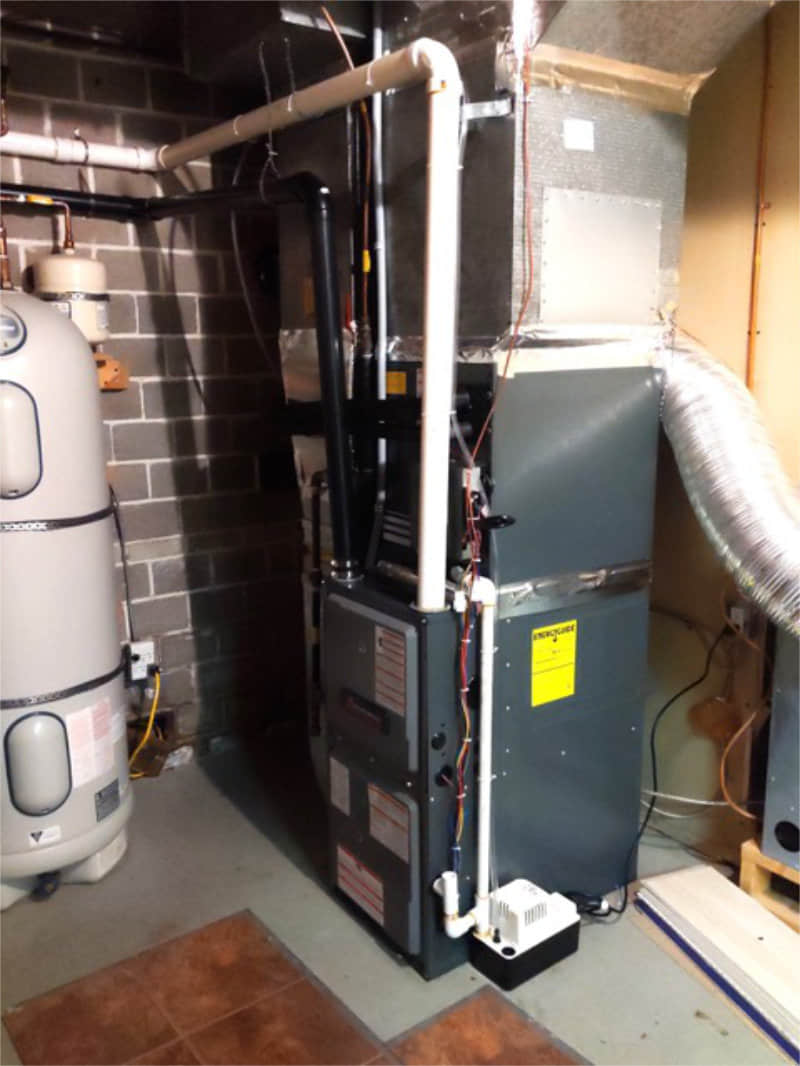
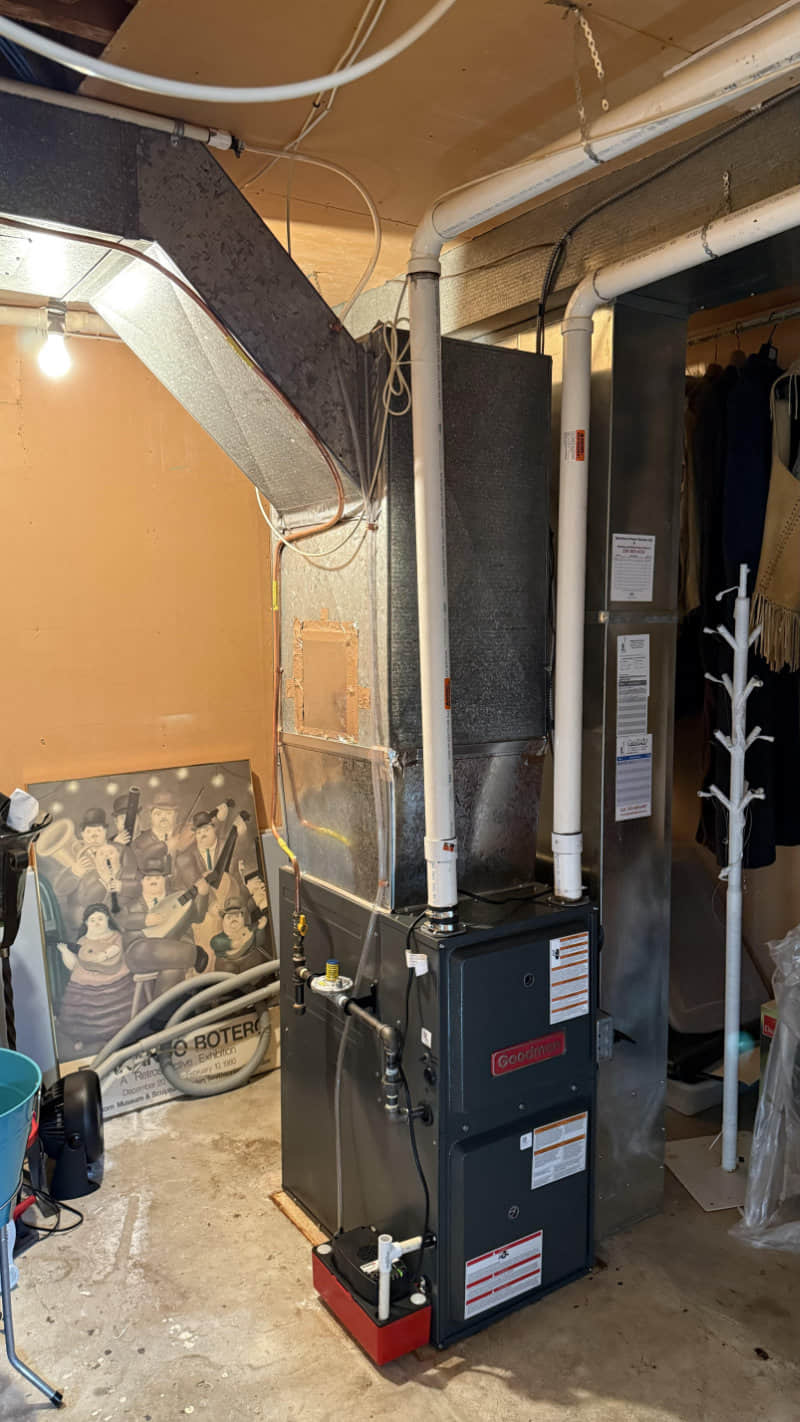
Repair or Replace: Making the Right Choice for Your Home
Victoria homeowners with 15 to 20 year old furnaces wonder about repair costs versus buying a new system. According to the U.S. Department of Energy, the average furnace lasts 15 to 30 years. Most furnaces start having more problems after 15 years.
A clear decision plan stops you from spending too much on repairs for old units near the end of their life. Older furnaces in Fernwood and Rockland homes often can’t handle Victoria’s damp heating needs well. When considering a new furnace, getting multiple estimates and comparing efficiency ratings helps ensure you get the best value.
When repair makes sense:
Your furnace is under 12 years old. Furnaces this age still have many good years left.
Only one part needs fixing like the blower motor or igniter. Single part repairs usually cost less.
The repair costs less than half what a new furnace costs. This is the 50% rule that HVAC experts use.
When replacement makes more sense:
The heat exchanger cracks or multiple parts fail at once. Heat exchanger replacement costs almost as much as a new furnace.
Your unit is over 15 years old and needs frequent repairs. You’re spending money on repairs several times per year.
Your heating bills keep going up even though you use the furnace the same amount. Old furnaces use more energy as they age.
New high-efficiency systems cut energy costs in Victoria’s mild climate. A 95% efficiency furnace uses 95 cents of every dollar of gas for heat. Only 5 cents goes up the chimney as waste. Old furnaces often run at only 60% to 80% efficiency.
The jump from 80% to 95% efficiency cuts your heating costs by about 19%. For a home spending $1,200 per year on gas heat, this saves $225 every year. Over 20 years, that equals $4,500 in savings.
New furnaces also qualify for government rebates from CleanBC and BC Hydro programs. These rebates help pay for the new system.
A Gaslight Heat Services technician can inspect your furnace and give you honest advice. They’ll explain all your options with clear pricing.
How Preventive Maintenance Stops Emergency Breakdowns
Langford and Gordon Head homeowners want to avoid winter repair calls. They also want their furnace to last longer. Annual tune-ups catch small issues before they become expensive emergency repairs.
Industry experts say nearly half of all major furnace breakdowns could be prevented with regular care. Victoria’s coastal air and salt require extra maintenance attention to stop rust.
What happens during maintenance:
Annual cleaning removes dust and dirt that cause overheating. Clean parts work better and last longer. Technicians clean the burners, flame sensor, and blower motor.
Technicians find worn parts before they break completely. Catching problems early saves money. A $50 part replaced during maintenance stops a $500 emergency repair later.
Oil and adjustments prevent motor and blower breakdowns. Moving parts need care to work smoothly. Bearings get oiled and belts get adjusted to the right tightness.
Filter changes keep airflow strong and reduce strain on your system. Filters should be changed every one to three months depending on the type. Pleated filters last longer than basic fiberglass filters.
Safety checks make sure carbon monoxide and gas systems work properly. This protects your family. Technicians test for gas leaks and check that dangerous gases vent outside safely.
The best time for maintenance is September or October, before heating season starts. This timing prevents winter breakdowns when you need heat most. Scheduling before the busy season also means better appointment times.
A maintenance visit costs less than one emergency repair call. It also helps your furnace use less energy. Well-maintained furnaces can last 25 to 30 years instead of just 15 to 20 years.
Gaslight Heat Services offers maintenance plans for Victoria area homes. Regular service means your furnace works when you need it most.
Frequently asked questions:
Most contractors offer same-day emergency service for heating failures. Standard repairs take 1 to 3 hours depending on what parts are available. Gaslight Heat Services provides same-day furnace repair throughout Greater Victoria and keeps common parts in stock for faster repairs.
About Gaslight Heat Services
Gaslight Heat Services has served Greater Victoria since 1992. Licensed technicians provide honest repairs and maintenance. Call 250-380-0407 or schedule service today.
– Technical Safety BC Licence No. – LGA0202649
